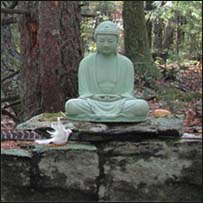
This is a 45 minute introduction and a guided meditation on Equanimity. By repeating certain phrases, we can decondition our reactive attitude and open our heart to the way things are.
Walking meditation can be difficult because the mind doesn’t feel concentrated, or it can feel oppressive just walking back and forth. But being with the movement of the body, it’s possible to come out of our protective and stiff states, and enjoy the carefree fluidity.
Mudita or the practice of sympathetic joy opens us to the possibilities of increasing our sense of well-being and happiness. The haqppiness of others when directed towards ourselves, is manifesting as gratitude for the blessings in our life
It is helpful to identify four broad phases of transformation, whether in the context of intensive meditation practice, everyday life, or engaged practice in the world: (1) building resources (perspectives, tools, methods, the ethical “container”); (2) opening to and honoring our suffering; (3) coming to see in a new way; and (4) the integrative work of stabilizing, grounding, and expressing our insights and learning as we go forth into the world.
A reflection on how to work with the challenges we all encounter in meditation. by recognising craving, aversion, sloth, restlessness, and sceptical doubt as visitors which obscure our deeper truth, we can free ourselves from their grip, revealing the natural pure radiance of the heart and mind.