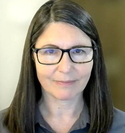
Diana Clark, PhD, offers Dharma teachings grounded in many years of meditation practice, retreat experience, and study, as well as a deep trust in the Buddha’s path of peace and freedom. Her teaching invites people to discover greater ease, clarity, and freedom in the midst of ordinary life. Diana was trained as a retreat teacher by Gil Fronsdal and Andrea Fella. Her background also includes serving as a professor of Theravāda Buddhism at the Institute of Buddhist Studies and working as a cancer researcher. She has a PhD in biochemistry. These varied forms of practice, teaching, and inquiry inform an approach to the Dharma that is careful, experiential, and engaged with everyday life. More than a thousand of Diana’s talks and guided meditations are available at AudioDharma.org. Her website is DianaClarkDharma.org.
This talk explores disenchantment: how seeing through what experience seems to promise us can soften any greed and aversion toward that experience, allowing greater freedom
A gentle investigation of wanting, including what happens when the mind gets and doesn’t get what it is reaching for (This reflection includes a lot of silence).
This reflection explores the practice of meeting experience without turning it into "me" or "mine." It invites noticing the subtle movement from simple experience to identification with that experience.