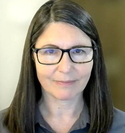
Diana Clark, PhD, offers Dharma teachings grounded in many years of meditation practice, retreat experience, and study, as well as a deep trust in the Buddha’s path of peace and freedom. Her teaching invites people to discover greater ease, clarity, and freedom in the midst of ordinary life. Diana was trained as a retreat teacher by Gil Fronsdal and Andrea Fella. Her background also includes serving as a professor of Theravāda Buddhism at the Institute of Buddhist Studies and working as a cancer researcher. She has a PhD in biochemistry. These varied forms of practice, teaching, and inquiry inform an approach to the Dharma that is careful, experiential, and engaged with everyday life. More than a thousand of Diana’s talks and guided meditations are available at AudioDharma.org. Her website is DianaClarkDharma.org.
Right Effort asks for commitment, but not strain. This recording begins with a reflection and guided meditation, followed by silence, with further reflections at the end
We begin by inhabiting the body with presence, the way it feels right now. After a gentle body scan, noting any obvious areas of tension, we rest the attention on the sensations of breathing.
Coming Home to Ourselves is about orienting towards our experience and then meeting our experience with an warm heart. To be "at home," means to be here, at ease, in the present moment. Often we're "not at home" because we are experiencing difficulties and feel like we have to go outside of ourselves to figure it out or perhaps we have patterns of avoiding or distracting ourselves. The journey of coming home and connecting with ourselves in a friendly way might be a radical one because it requires letting of the idea that what the heart is yearning for can be found outside of ourselves.
Ethical behavior promotes the ending of greed, hatred, and illusion. Nibbana be described as the ending of greed hatred and delusion. How is ethical behavior an essential an integral part of practice?