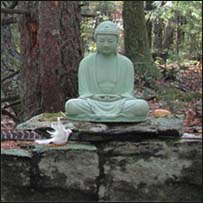
A description of the nature of mindfulness (sati), why it is key in Buddhist practice and how it's trained in meditation practice. Given at short IMS retreat
Three main functions of the citta; contemplative traditions in search to heighten the power of understanding; voluntary and involuntary attention; mind-training and the essentially intentional nature of mind.
We examine practicing with the Three Characteristics, particularly with Dukkha (suffering) and anatta (not-self). Then we explore "spacious awareness," a type of non-conceptual awareness beyond the splits of knower and known, particularly in the teachings of the Buddha and the Thai Forest tradition, with some reference to Tibetan and Zen traditions. Thirdly, we outline a number of ways to access this kind of awareness.
We are inspired by the goodness of others. Even more, their example motivates us to do good ourselves. The term "Elevation Response" is used in psychology to describe this phenomenon. The talk describes three people whose lives are inspirations and whose examples can help us bring out the best in ourselves.
Concentration is a skillful means that provides a foundation for understanding things as they really are (Yatha Bhuta). Through the direct experience of impermanence, freedom unfolds.
Martin Luther King’s term, “Beloved Community,” points to our potential for living together with love, justice and respect. This talk explores the often hidden expressions of racism that fuel separation and violence, and pathways toward healing and freeing our collective hearts.
A practically-based exploration of the nature of concentration and its place in practice, how to practice concentration (complementing the morning instructions), five challenges of concentration practice and how to work with them, and the relationship of concentration and insight practice.
Comments about our hopes before going on retreat, and how we tend to evaluate what happens. The usefulness of wise reflection and what it is - in reviewing the retreat.
From suffering to freedom Park two Skillful relationship of Shamatha (calm) and Vipassana (clear seeing) in all postures and it all times. Daily life practice as one